
The ongoing tensions in the Middle East are increasingly disrupting healthcare services in the Palestinian territory, raising concerns about the availability of medicines, access to treatment, and the evacuation of patients. Tedros Adhanom Ghebreyesus, Director-General of the World Health Organization (WHO), shared this information in a post on his X account.
According to the WHO, healthcare facilities in the Gaza Strip are facing serious challenges as most border crossings remain closed. Since February 28, medical evacuations from Gaza have been halted, and the rotation of Emergency Medical Teams has also been suspended.
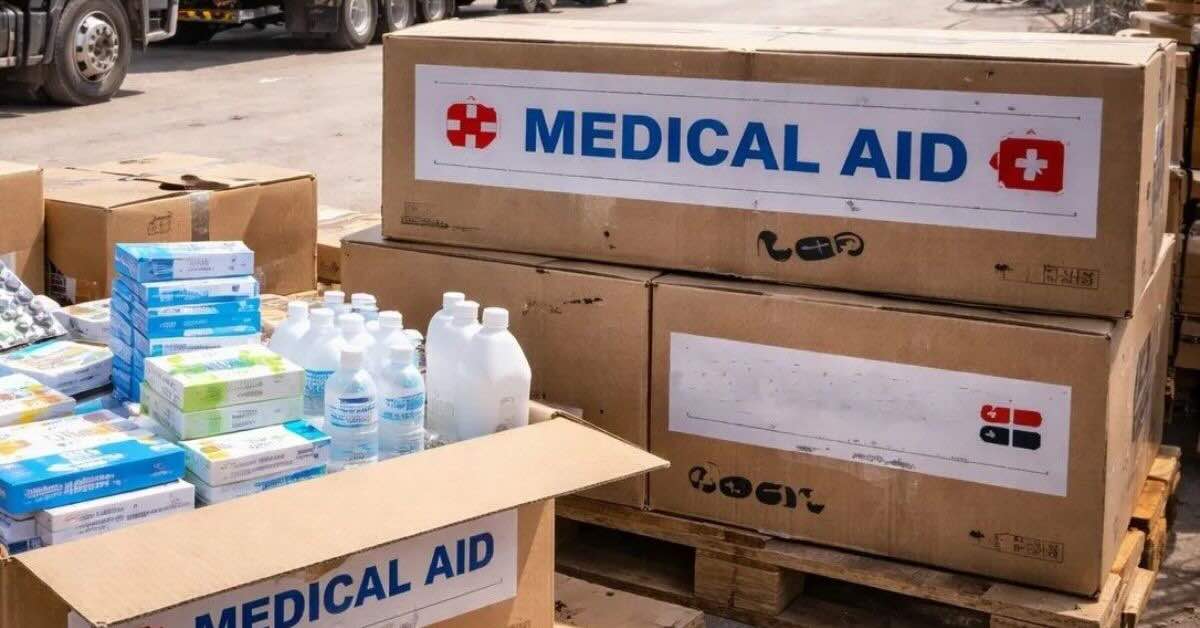
Health officials report that essential medicines and medical supplies, including antibiotics and drugs used to treat chronic illnesses, are gradually running out. Due to the shortage of fuel, available supplies are being directed mainly to the most critical medical facilities to ensure that life-saving services can continue.
On March 3, the Kerem Shalom Crossing was reopened for limited operations, allowing the entry of some fuel and humanitarian aid into Gaza.
Meanwhile, in the West Bank, restrictions on movement and the closure of several checkpoints are making it more difficult for patients to reach hospitals. Ambulances are also facing delays, as they often need to take longer alternative routes or search for open access points.
Even before the recent escalation, hospitals and clinics in the region were already dealing with shortages of medical supplies. In addition, many healthcare workers have been receiving only partial salaries, which has further affected the functioning of medical facilities.
The WHO has urged that all entry routes into the Gaza Strip be reopened and that medical supplies and healthcare workers be allowed to move freely across the occupied Palestinian territory. The World Health Organization has also called on all parties involved in the conflict to immediately de-escalate and ensure the protection of healthcare services.